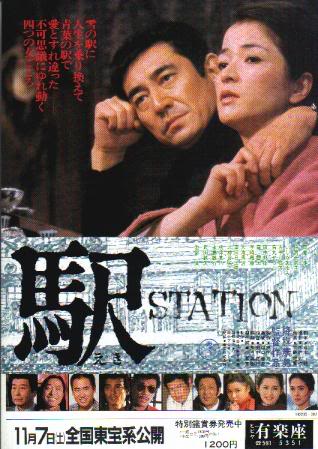
A very beautiful film. This is a Ken Takakura vehicle, and as such follows his formula. Takakura plays to type as the laconic brooder who suffers multiple tragedies with manly stoicism. While the variety of his film varied greatly, his films with director Yasuo Furuhata were always of the highest quality, and this is no exception. Takakura is a cop training to be a sharpshooter for the Olympic games, he divorces his wife and abandons his daughter when he discovers she’s had an affair. Later his coach is gunned down by a fleeing criminal. Years later Takakura returns to his snowy hometown and starts an affair with a middle-aged bar owner. The story is a bit thick, with a number of subplots, yet it is extrordinarily melancholic, as Takakura seems to regret everything he’s done in his life and is made over and over again to relive his mistakes. There is very little “action” as such, and no yakuzas of any kind; but beyond that this is one of the most lushly beautiful and emotional films you can see (if you can see it), with an excellent score by Ryudo Uzaki.
Read More »
Tag Archives: japanese
Early Spring / Sôshun (1956) Yasujirô Ozu, Chikage Awashima, Ryô Ikebe, Teiji Takahashi, Drama

A young man and his wife struggle within the confines of their passionless relationship while he has an extramarital romance.
Read More »
Hachi no su no kodomotachi / Children of the Beehive (1948) Hiroshi Shimizu
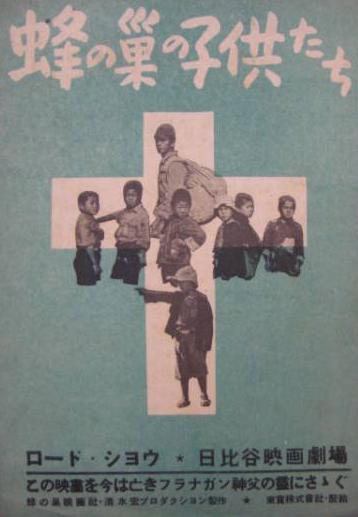
The movie focuses on the plight of ten war orphans hailing from different cities across Japan. With nowhere to go, they scavenge around train stations, scratching out an existence by means of black market work for a one-legged tramp whilst avoiding being picked up by the police for vagrancy. Soon however, they find a more inspiring role model in the figure of a nameless soldier just repatriated after the war. An orphan himself, the soldier also has no home to return to, and so sets out across the country with the kids in tow in search of work before settling on the goal of leading them to the orphanage where he himself grew up.
Read More »
Sûpâ no onna / Supermarket Woman (1996) Jûzô Itami, Nobuko Miyamoto, Masahiko Tsugawa, Ryûnosuke Kaneda
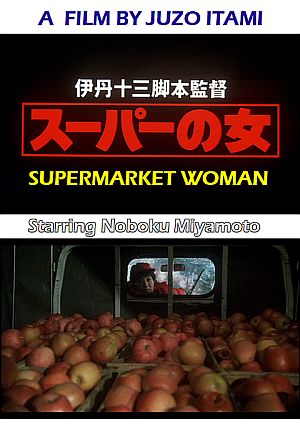
Goro’s supermarket is not doing well; the rival “Bargains Galore” threatens his business. A chance encounter with Hanako, an energetic woman he knew in grade school, results in big retail and life changes.
Read More »
Yûrei yashiki no kyôfu: Chi wo sû ningyô / Fear of the Ghost House: Bloodsucking Doll (1970) Michio Yamamoto, Kayo Matsuo, Akira Nakao, Atsuo Nakamura
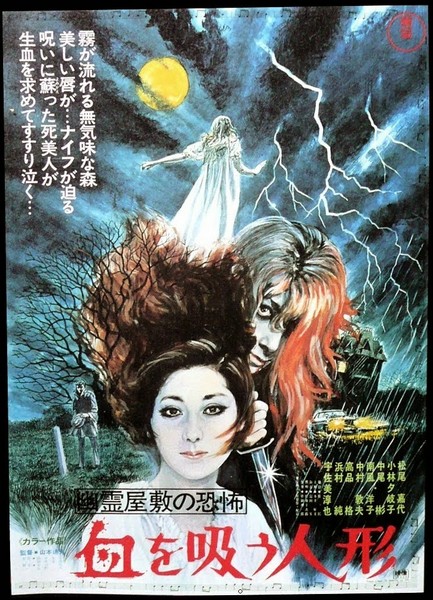
Keiko (Kayo Matsuo) and her friend try to find her missing brother after he disappeared on a trip to visit his girlfriend Yuko (Yukiko Kobayashi). They don’t get very far as Yuko’s mother claims the brother ran away after finding out Yuko had been killed in a car wreck the week before his visit. But Keiko finds signs that she might be being lied to.
Read More »
Air Doll / Kûki ningyô (2009) Hirokazu Koreeda, Doona Bae, Arata Iura, Itsuji Itao
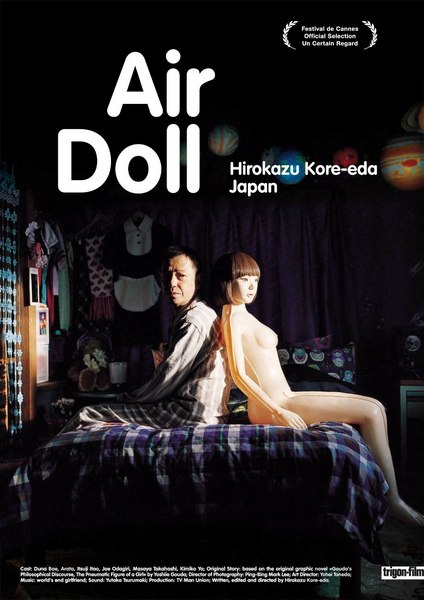
Middle-aged Hideo lives alone with an inflatable doll he calls Nozomi. The doll is his closest companion. He dresses it up, talks to it over dinner, and has sexual intercourse with it. However, unbeknown to Hideo, Nozomi was created with a heart…
Read More »
Hebi no michi / Serpent’s Path (1998) Shô Aikawa, Teruyuki Kagawa, Shiro Shitamoto, Kiyoshi Kurosawa
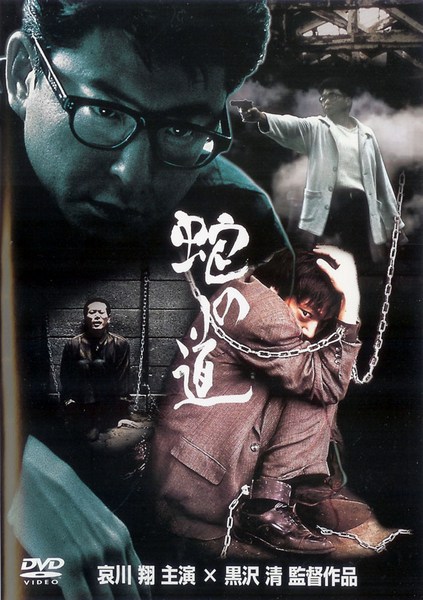
Serpent’s Path and its companion piece Eyes of the Spider (Kumo No Hitomi) both start from the same premise: a man taking revenge for the murder of a child. Kurosawa used this premise as the jumping-off point for the two films rather than their definition, resulting in a pair of works which are not so much occupied with revenge, but with the mental processes of human beings in situations that have placed them outside everyday life.
Read More »
Sorekara / And Then… (1985) Yoshimitsu Morita
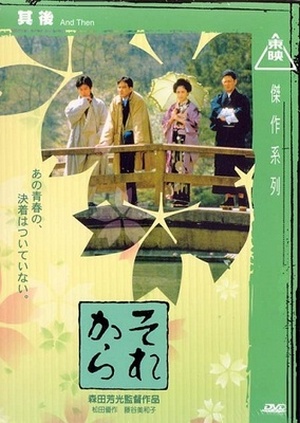
This is a probing tale set in turn of the century Japan, involving three people trapped in a complex relationship of love and friendship. Read More »