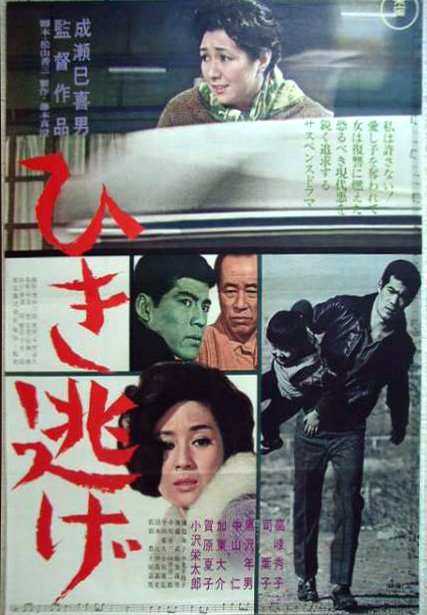
A working-class woman becomes bent on revenge after her little boy is killed in a hit and run; she discovers that the man who took the rap was simply a corporate lackey covering up for his boss’s wife. Read More »
Tag Archives: Hideko Takamine
Tsuma to shite onna to shite / As a Wife, As a Woman (1961) Mikio Naruse, Hideko Takamine, Chikage Awashima, Masayuki Mori, Drama

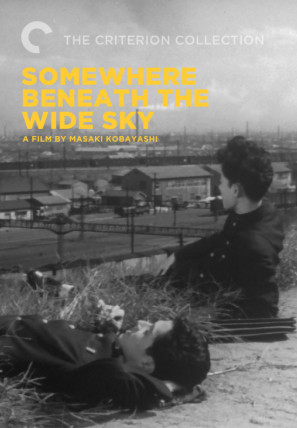
The children of a distinguished professor find that the woman they have come to regard as their racy and slightly disreputable Ginza aunt is really their mother. Read More »
Kono hiroi sora no dokoka ni / Somewhere Beneath The Wide Sky (1954) Masaki Kobayashi, Keiji Sada, Yoshiko Kuga, Hideko Takamine, Drama
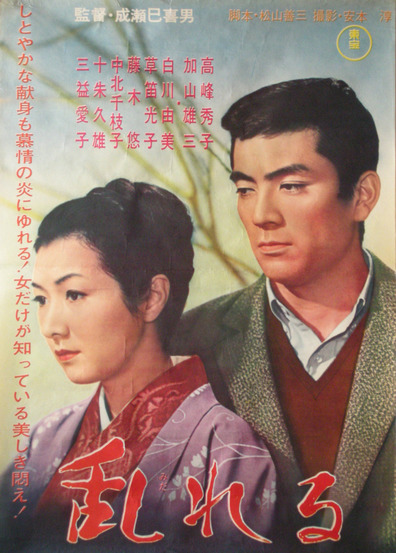
A family in the city of Tokyo running a liquor store overcome their impotence and dysfunction as they induce an understanding through each other of how to deal with their individual problems. Read More »
Midareru / Yearning (1964) Mikio Naruse, Hideko Takamine, Yûzô Kayama, Mitsuko Kusabue, Drama
19yo girl loses husband in war. Bombing destroys his family’s shop and the widow stays to rebuild it as the rest of the family flee and runs it for 18 years out of love for her dead husband and his mother… Read More »
Entotsu no mieru basho / Where Chimneys Are Seen (1953) Heinosuke Gosho, Kinuyo Tanaka, Ken Uehara, Hideko Takamine, Drama
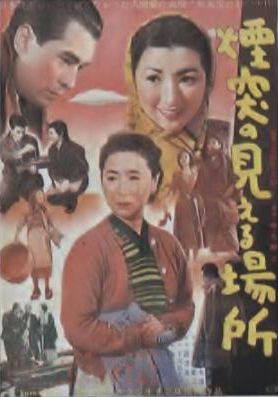
Where Chimneys Are Seen focuses primarily on the interconnected lives of two couples in a lower-middle-class neighborhood in Senju, a poor industrial section of Tokyo. Read More »
Gan / Wild Geese / The Mistress (1953) Shirô Toyoda, Hideko Takamine, Hiroshi Akutagawa, Jûkichi Uno, Drama, Romance
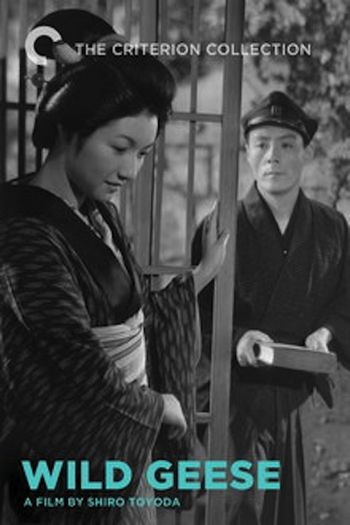
A young woman is forced to become a mistress to a married, middle-aged man in order to support her father, in this meiji period drama directed by Shiro Toyoda. Read More »
Arakure / Untamed Woman (1957) Mikio Naruse, Hideko Takamine, Ken Uehara, Masayuki Mori, Drama
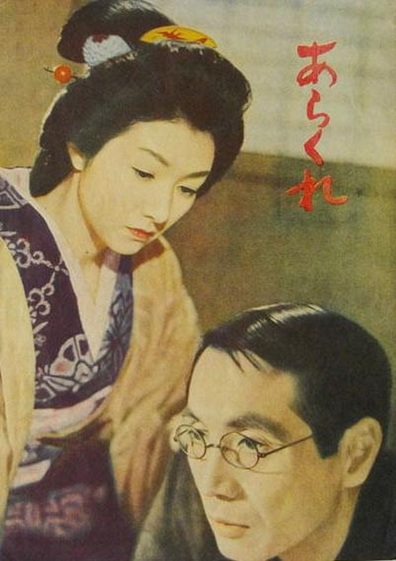
Set in the Taish? period of Japan (dating from 1912 to 1926), Untamed follows the fiery Oshima (in a superbly eccentric performance by Takamine) as she passes from one suitor to another, a series of calamities befalling her along the way. Characteristic of Naruse’s work, urban and rural settings are juxtaposed: the moody Tokyo streets against a majestic mountain village. At each point, the various situations Oshima is caught in seem uncannily bound up with her surroundings. It’s worth noting that the film, while not widely known, is singled out for praise by critic Chris Fujiwara.
Read More »