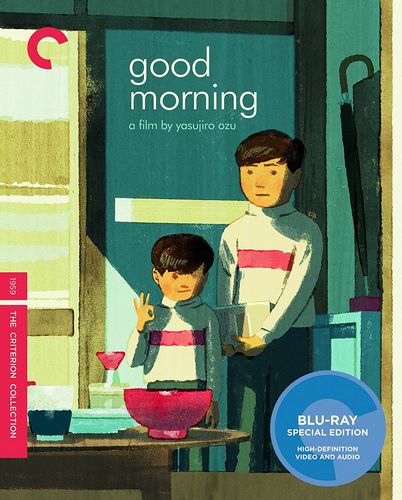
This movie takes a look at a Westernized suburban area in Japan in the late ’50s. Read More »
Tag Archives: Chishû Ryû
That Night’s Wife (1930) Yasujirô Ozu, Mitsuko Ichimura, Tokihiko Okada, Chishû Ryû
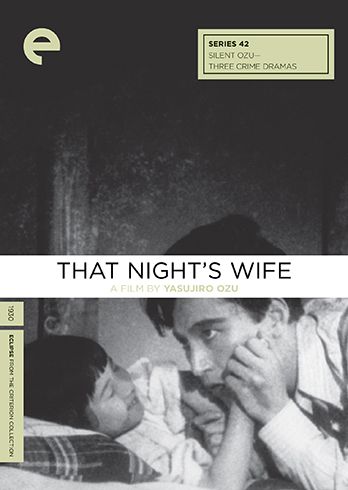
A desperate man with a sick daughter decides to commit a robbery in order to help her. Read More »
Japans Longest Day (1967) Kihachi Okamoto, Seiji Miyaguchi, Rokkô Toura, Chishû Ryû
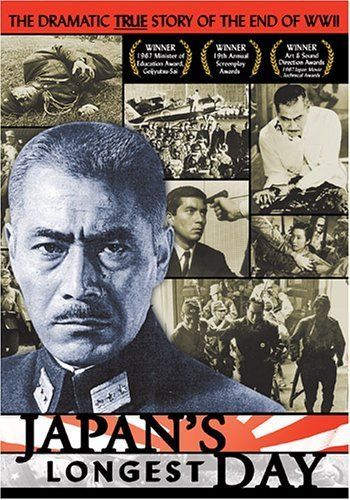
Following the detonation of the atomic bombs on Hiroshima and Nagasaki, the Japanese military and the government clash over the demand from the Allies for unconditional surrender. Read More »
Tsuki wa noborinu / The Moon Has Risen (1955) Kinuyo Tanaka, Chishû Ryû, Hisako Yamane, Yôko Sugi, Comedy, Drama, Romance
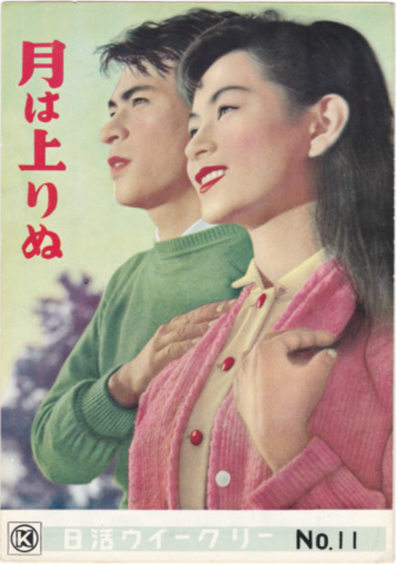
Mokichi is the widowed father of three daughters, with whom he lives on the premises of a temple since the war. Read More »
Banshun / Late Spring (1949) Yasujirô Ozu, Chishû Ryû, Setsuko Hara, Yumeji Tsukioka, Drama
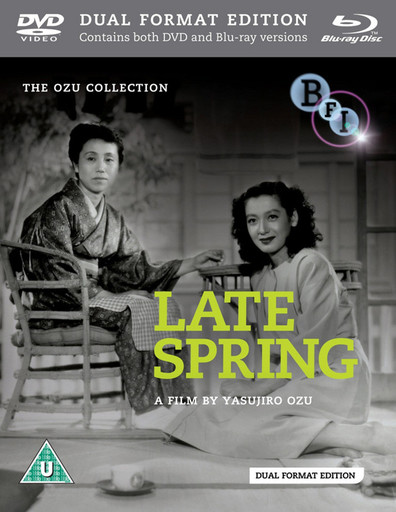
Noriko is 27 years old and is still living with her father Somiya, a widower. Read More »
Sanma no aji / An Autumn Afternoon (1962) Yasujirô Ozu, Chishû Ryû, Shima Iwashita, Keiji Sada, Drama
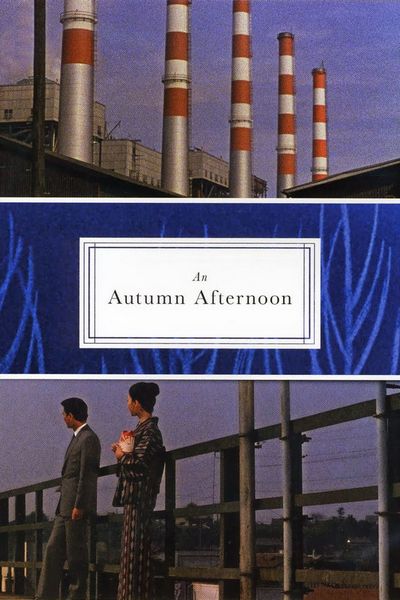
In the early 60’s in Tokyo, the widower Hirayama is a former captain from the Japanese navy that works as a manager of a factory and lives with his twenty-four year-old daughter Michiko and his son Kazuo in his house.
Read More »
Chichi ariki / There was a father (1942) Yasujirô Ozu, Chishû Ryû, Shûji Sano, Shin Saburi, Drama
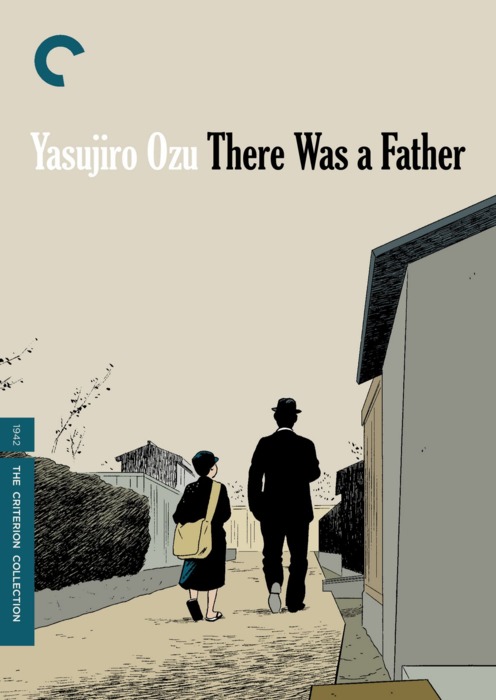
A father and his son, a son and his father. Horikawa is a widower, a teacher, and a good father to Ryohei, who’s about 10. After a tragedy, Horikawa resigns from teaching and takes Ryohei from Tokyo to the town of Ueno, enrolling him in junior high; to the lad’s sorrow, he will be a boarder. Horikawa returns to work in Tokyo, their separation is complete. Jump ahead more than ten years: with dad’s help, Ryohei has finished college and has a teaching job in Akita. Horikawa considers living with his son, which Ryohei wants, but the elder’s notions of duty and hard work preclude it. Ryohei arranges a ten-day vacation with his father. Heartbreak comes quietly, nearly hidden by dignity.
Read More »
Tokyo-Ga (1985) Wim Wenders, Chishû Ryû, Werner Herzog, Yûharu Atsuta, Documentary
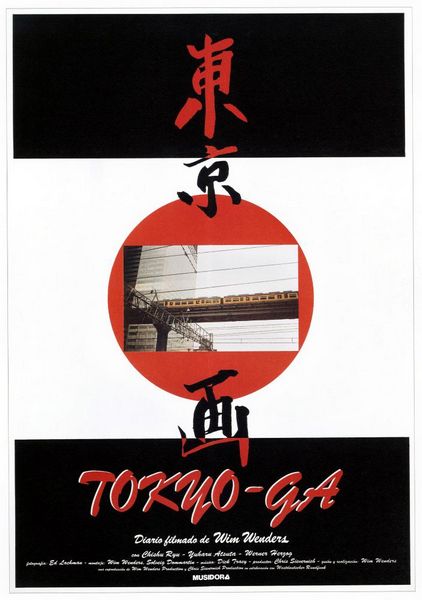
TOKYO-GA, Spanish poster art, 1985, ©Gray City
Taking a breather from the Paris, Texas shooting, Wim Wenders hopped a plane, camera in hand, to look for the Tokyo enshrined by the late Yasujiro Ozu (whose work Wenders dubs “the sacred treasure of the cinema”). What he found instead, documented in this filmic journal, was an urbanized dislocation not far from the forlorn emptiness he coached out of German and American vistas. Whether abstracting businessmen teeing off atop skyscrapers or the rigorous, artisanal craft of building a wax sandwich display, Wenders scrambles for humanity seeping through neon and steel – a humanity linked, inevitably, to the old Japan of Ozu’s films (rebellious tykes, cherry blossoms, tranquil countrysides). A far less queasy piece of hero-worship than Lightning Over Water, the picture meditates not so much on Ozu the filmmaker than on Ozu the vanishing feeling, motifs and images reconsidered in a modernized Japan circa 1983 (the trains that fill the Japanese master’s pictures with notions of inexorable movement have now become bullet expresses, gliding with smooth, ominous impersonality). Elsewhere, Wenders bumps into Werner Herzog (who bitches about having to space-travel to find pure images nowadays), Chris Marker (whose Sans Soleil would make a superb double-bill with Tokyo-Ga) and two aged Ozu stalwarts, gracious, dignified leading man Chishu Ryu and anecdotal camera operator Yuuharu Atsuta. Wenders’ eulogy for a culture alienating its own roots is built, characteristically, upon cinema’s capacity for regenerative beauty, though his links to Ozu are, if anything, more tenuous than his affinity with Nicholas Ray – Ozu’s images distill life, Wenders’ etherealize it. Cinematography by Edward Lachman.
Read More »