
A seemingly model citizen living in mid-century London, John Christie (Richard Attenborough) is actually a killer. Masquerading as a doctor, he convinces guileless women that he can cure whatever might ail them, and when they follow him to his home, he chokes them to death and buries them in a makeshift graveyard. Based on a series of real-life killings, the story follows John as he cons a pregnant bride (Judy Geeson) and wonders if he might have found a scapegoat in her husband (John Hurt).
Read More »
Tag Archives: 1970s
Tarzoon La Honte de la Jungle (1975) Picha, Boris Szulzinger, Bernard Dhéran, Georges Aminel, Arlette Thomas, Adventure, Animation, Comedy
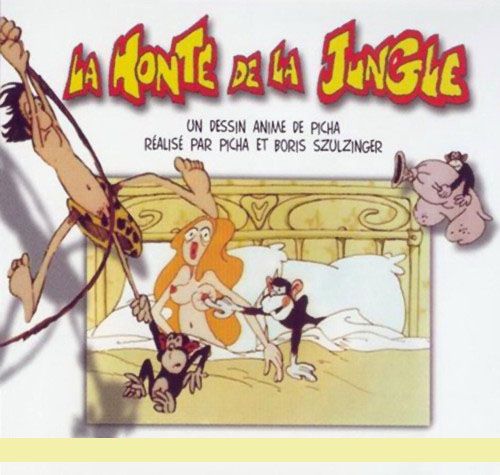
Dans sa caravane perchée dans les arbres, Tarzoon (Shame) coule des jours heureux en compagnie de June sa femme, et Flicka, son singe. Un brave garçon dont il n’y a rien à dire. Mais, non loin de là, vit la reine Bazonga, protégée dans son royaume souterrain par une armée de créatures phalliques, les Zombits. Prête à conquérir le monde, elle n’a qu’un souci : sa calvitie. Seule une greffe pourrait la sauver et, justement June a les cheveux qu’il lui faudrait…
Read More »
Policewomen (1974) Lee Frost, Sondra Currie, Tony Young, Phil Hoover, Action, Crime
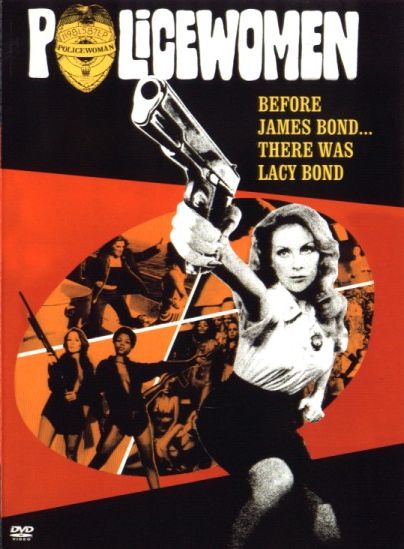
A lady cop infiltrates an all-female criminal gang.
Read More »
Full Circle / The Haunting of Julia (1977) Richard Loncraine, Mia Farrow, Keir Dullea, Tom Conti, Drama, Horror, Mystery
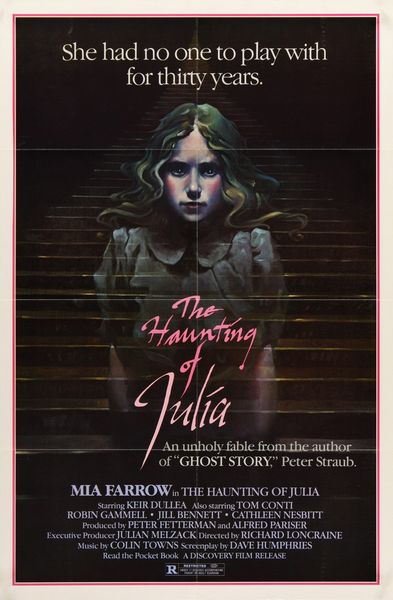
After the sudden accidental death of her small daughter, Julia Lofting, a wealthy American woman living in London, bolts her unhappy marriage and buys a house in Kensington which is haunted by the ghost of a quite obscenely nasty little girl who died in the 1950s and plans to use Julia as her pawn in a terrible revenge.
Read More »
The Land That Time Forgot (1974) Kevin Connor, Doug McClure, John McEnery, Susan Penhaligon, Adventure, Fantasy
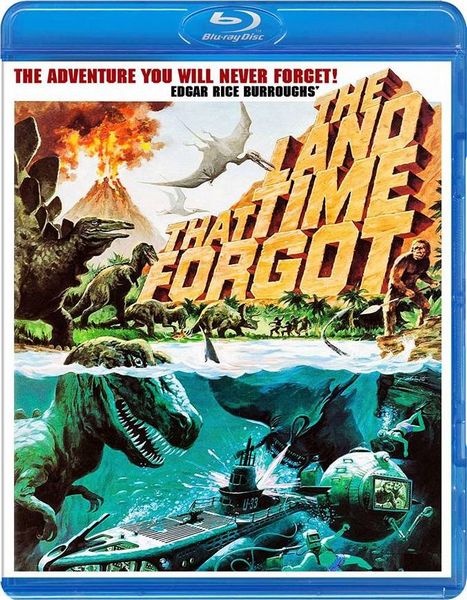
Bowen Tyler (Doug McClure) is among a small group of survivors taken in by a German submarine after the vessel has sunk their ship. When a struggle ensues between the German officers and their captives, the U-boat, which is running out of fuel, ends up coming across an uncharted island. Unfortunately for the passengers and crew, dinosaurs and other prehistoric creatures roam the land, and everyone must fight to survive the perils of the lost island.
Read More »
Wild Rovers (1971) Blake Edwards, William Holden, Ryan O’Neal, Karl Malden, Western
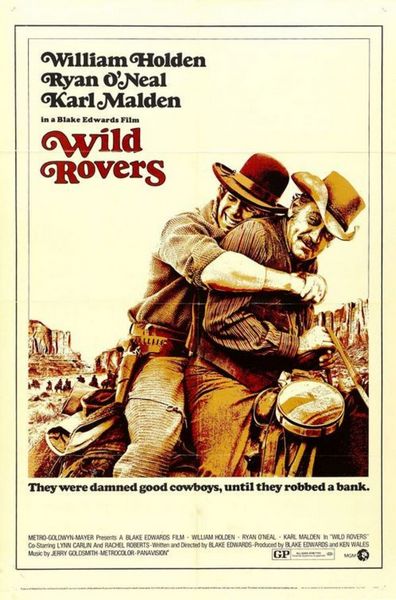
Ross Bodine and Frank Post are cowhands on Walt Buckman’s R-Bar-R ranch. Bodine is older and broods a bit about how he will get along when he’s too old to cowboy. Post is young and rambunctious and ambitious for a better life than wrangling cows. When one of their fellow cowboys is killed in a corral accident, Post suggests a way into a better life for himself and his friend: robbing a bank. Bodine reluctantly joins in the plan and the two contrive to rob the local bank. They make good their escape initially, but Walt Buckman and his two sons, John and Paul, are incensed at this betrayal by their own trusted employees. John and Paul set out to bring Bodine and Post to justice.
Read More »
Blind terror / See No Evil (1971) Richard Fleischer, Mia Farrow, Dorothy Alison, Robin Bailey, Mystery, Thriller
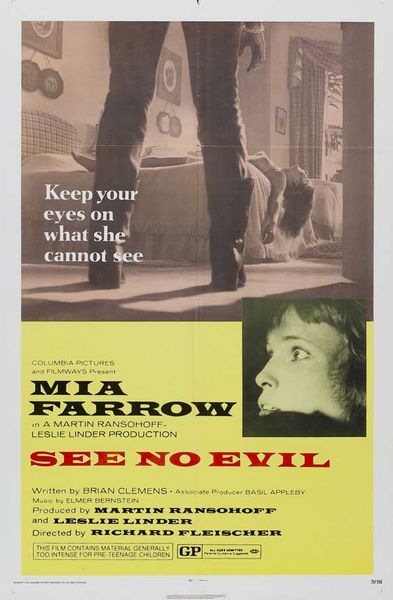
Sarah is a blind girl who has returned to her home, a country manor in which all of the occupants are dead. She unknowingly sleeps overnight, among a houseful of corpses, arising the next morning to quietly creep out of bed, in order not to awaken the other members of the household.
Read More »
Dead Pigeon on Beethoven Street (1973) Samuel Fuller, Glenn Corbett, Christa Lang, Sieghardt Rupp, Crime, Thriller
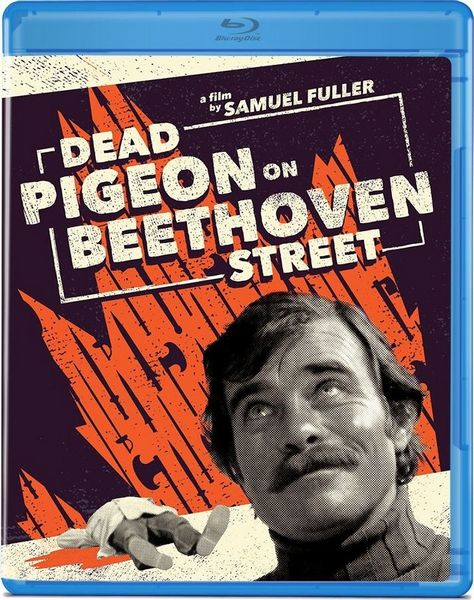
Following Shark!, Sam Fuller’s luck getting films funded didn’t change much; Dead Pigeon on Beethoven Street is Fuller’s only film of the ’70s. Technically, it’s not even a proper film, but if you didn’t know it was made as an episode of the German cop series Tatort (which is amazingly still running), you’d never have guessed it. Where American television stifled Fuller’s creative spirit and made him conform to the norms of whatever show he was working on, the producers of Tatort allowed Fuller the freedom to make whatever he wanted. He took this freedom and ran with it, crafting a unique, exciting picture unlike anything else in the Fuller catalog. Part crime thriller, part farcical comedy, Dead Pigeon on Beethoven Street is a hidden gem in Fuller’s filmography.
Read More »
Le Voyou / The Crook (1970) Claude Lelouch, Jean-Louis Trintignant, Danièle Delorme, Charles Gérard, Crime, Thriller
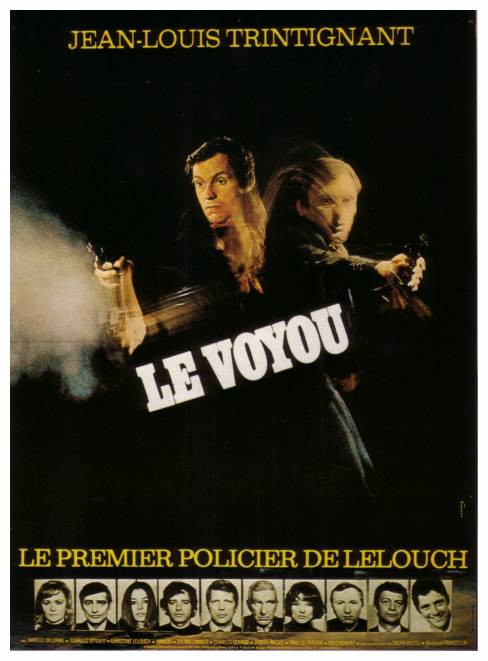
When Simon (Jean-Louis Trintignant) is released from prison, he emerges with a bold kidnapping scheme. He enlists the help of an old cohort and his former lover, Martine (Christine Lelouch), to kidnap a young boy. The child’s father is an employee at a bank, and the three criminals blackmail the financial institution, demanding $1 million in ransom. Out of fear, the bank pays the sum, but the kidnappers may have bitten off more than they can chew.
Read More »
Amici Miei / Mes Chers Amis (1975) Mario Monicelli, Ugo Tognazzi, Gastone Moschin, Philippe Noiret, Comedy, Drama
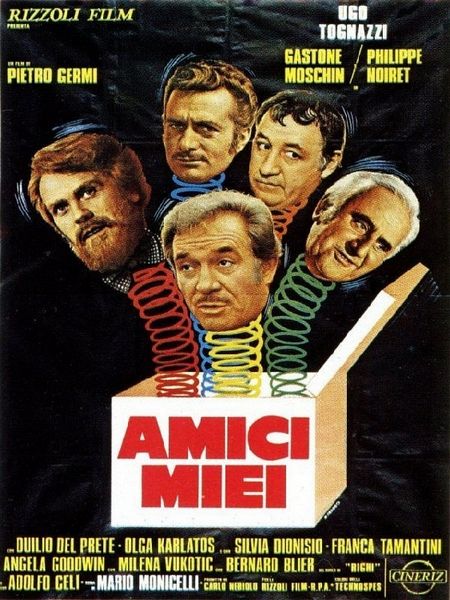
Like in many other Monicelli movies, the main theme of Amici miei is friendship, seen from a rather bitter point of view. It tells the story of four middle-aged friends in Florence who organize together idle pranks (called zingarate, “gypsy shenanigans”) in a continuous attempt to prolong childhood during their adult life…
Read More »