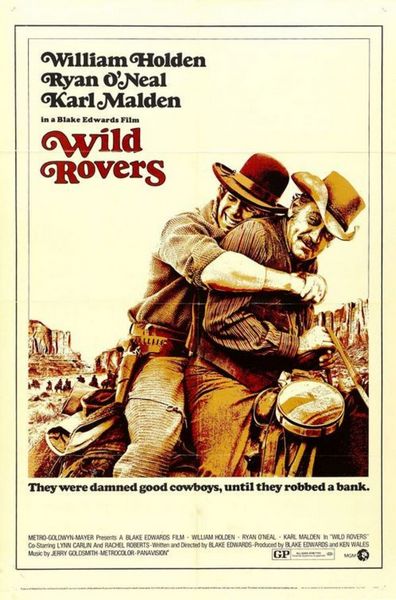
Ross Bodine and Frank Post are cowhands on Walt Buckman’s R-Bar-R ranch. Bodine is older and broods a bit about how he will get along when he’s too old to cowboy. Post is young and rambunctious and ambitious for a better life than wrangling cows. When one of their fellow cowboys is killed in a corral accident, Post suggests a way into a better life for himself and his friend: robbing a bank. Bodine reluctantly joins in the plan and the two contrive to rob the local bank. They make good their escape initially, but Walt Buckman and his two sons, John and Paul, are incensed at this betrayal by their own trusted employees. John and Paul set out to bring Bodine and Post to justice.
Read More »
Tag Archives: 1970s
Blind terror / See No Evil (1971) Richard Fleischer, Mia Farrow, Dorothy Alison, Robin Bailey, Mystery, Thriller
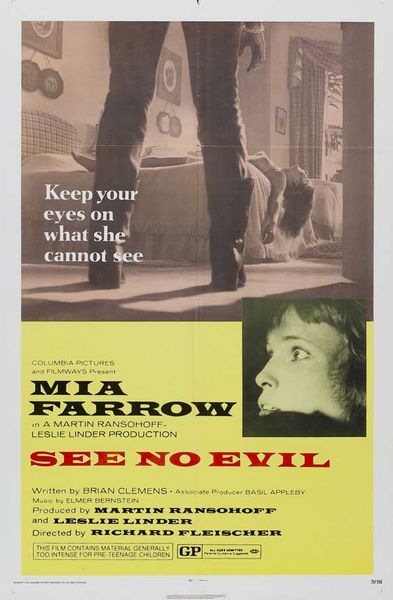
Sarah is a blind girl who has returned to her home, a country manor in which all of the occupants are dead. She unknowingly sleeps overnight, among a houseful of corpses, arising the next morning to quietly creep out of bed, in order not to awaken the other members of the household.
Read More »
Dead Pigeon on Beethoven Street (1973) Samuel Fuller, Glenn Corbett, Christa Lang, Sieghardt Rupp, Crime, Thriller
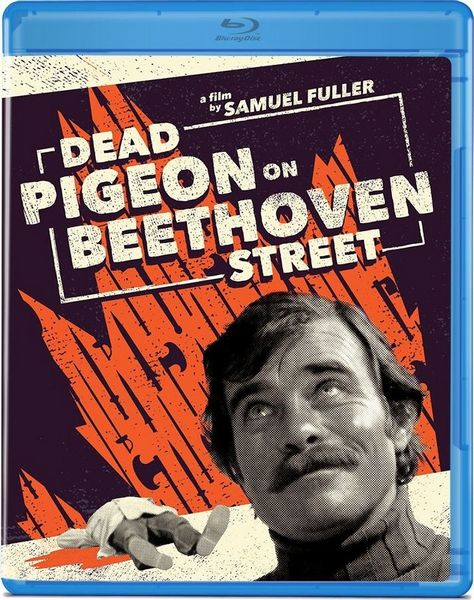
Following Shark!, Sam Fuller’s luck getting films funded didn’t change much; Dead Pigeon on Beethoven Street is Fuller’s only film of the ’70s. Technically, it’s not even a proper film, but if you didn’t know it was made as an episode of the German cop series Tatort (which is amazingly still running), you’d never have guessed it. Where American television stifled Fuller’s creative spirit and made him conform to the norms of whatever show he was working on, the producers of Tatort allowed Fuller the freedom to make whatever he wanted. He took this freedom and ran with it, crafting a unique, exciting picture unlike anything else in the Fuller catalog. Part crime thriller, part farcical comedy, Dead Pigeon on Beethoven Street is a hidden gem in Fuller’s filmography.
Read More »
Le Voyou / The Crook (1970) Claude Lelouch, Jean-Louis Trintignant, Danièle Delorme, Charles Gérard, Crime, Thriller
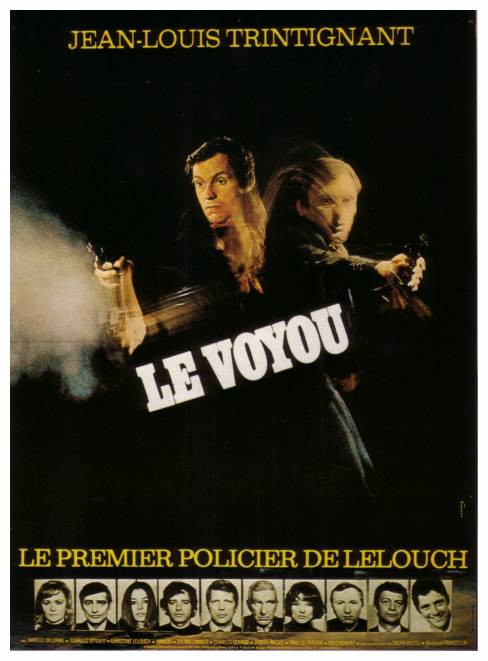
When Simon (Jean-Louis Trintignant) is released from prison, he emerges with a bold kidnapping scheme. He enlists the help of an old cohort and his former lover, Martine (Christine Lelouch), to kidnap a young boy. The child’s father is an employee at a bank, and the three criminals blackmail the financial institution, demanding $1 million in ransom. Out of fear, the bank pays the sum, but the kidnappers may have bitten off more than they can chew.
Read More »
Amici Miei / Mes Chers Amis (1975) Mario Monicelli, Ugo Tognazzi, Gastone Moschin, Philippe Noiret, Comedy, Drama
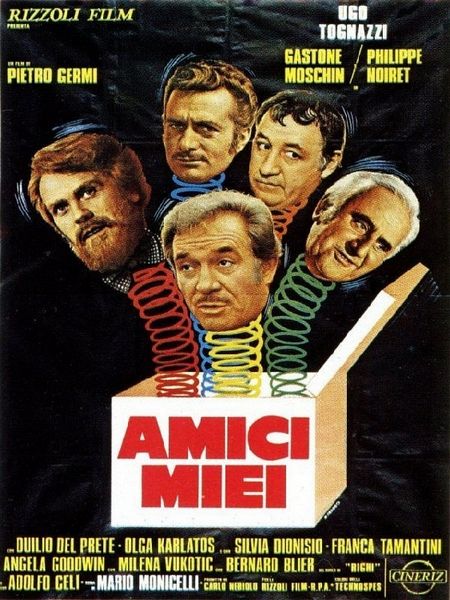
Like in many other Monicelli movies, the main theme of Amici miei is friendship, seen from a rather bitter point of view. It tells the story of four middle-aged friends in Florence who organize together idle pranks (called zingarate, “gypsy shenanigans”) in a continuous attempt to prolong childhood during their adult life…
Read More »
Kunoichi ninpo: hyakka manji-garami / Female Ninja Magic: 100 Trampled Flowers (1974) Chûsei Sone, Junko Miyashita, Hitomi Kozue, Yûko Katagiri, Fantasy, Erotic
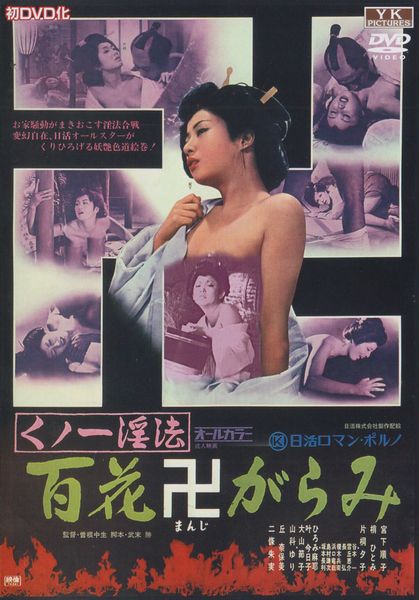
Acclaimed Nikkatsu studio pinku eiga filmmaker Chusei Sone directed this action-packed softcore melodrama concerning a group of female ninjas who use sexual magic along with their considerable fighting skills to protect their province from takeover by a ruthless shogun and his band of fighters.
Read More »
Umarla klasa / Dead Class (1977) Andrzej Wajda, Tadeusz Kantor, Maria Kantor, Zofia Kalinska, Documentary, Drama

The Dead Class (1975), by Tadeusz Kantor and the Cricot 2 company, is considered one of the most innovative and influential works of twentieth-century theatre. The breakthrough first version of the production – performed to great critical acclaim, but only rarely seen live by audiences outside Poland – was documented on film in 1976 by the Oscar-winning director Andrzej Wajda.
Read More »
Blue Sunshine (1977) Jeff Lieberman, Zalman King, Deborah Winters, Mark Goddard, Horror, Thriller
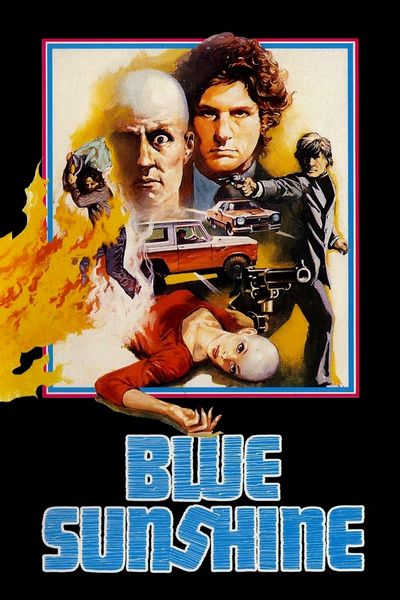
At a party, someone goes insane and murders three women. Falsely accused of the brutal killings Read More »
The End (1978) Burt Reynolds, Sally Field, Dom DeLuise
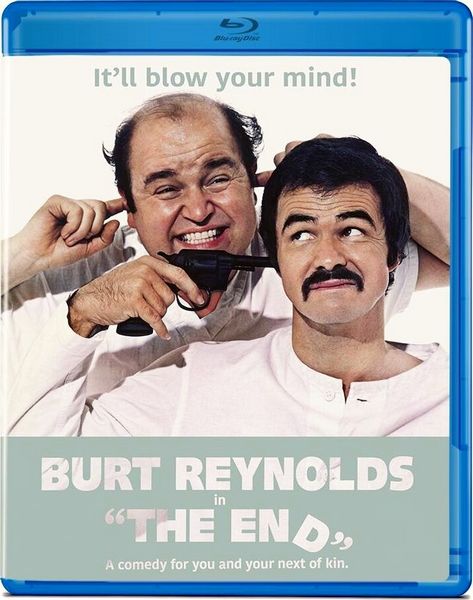
Wendell Lawson has only 6 months to live. Not wanting to live his last few months of life waiting Read More »
Uma Abelha na Chuva / A Bee in the Rain (1972) Fernando Lopes, Laura Soveral, João Guedes, Zita Duarte, Drama
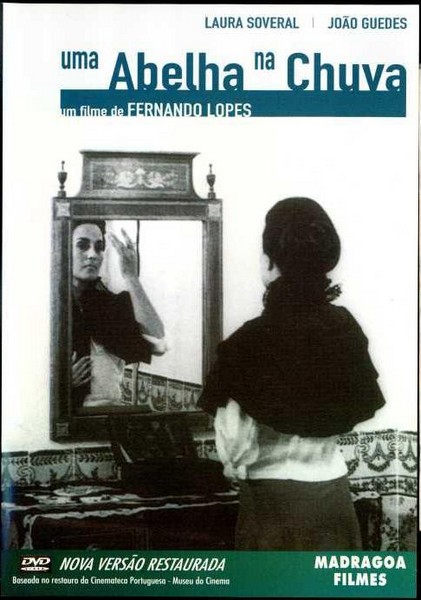
This Portuguese drama examines the daily life minutiae and intrigues of two scions of society in the rural village where they live. One is a wealthy landowner, the other a widowed aristocrat who lives in a world of her own. “Starting off from a fine novel by Carlos de Oliveira, Fernando Lopes doesn’t so mush reconstitute a story, but rather defines an atmosphere parallel to that which exists in the literary work. The erosion of time, the crumbling of an epoch, the decline of a stately home, the disintegration of emotions: the film version of A Bee in the Rain talks about all these things, using a language that is sparse and unpolished, fascinating and at the same time repulsive in its disturbing silence” (Lauro Antonio).
Read More »