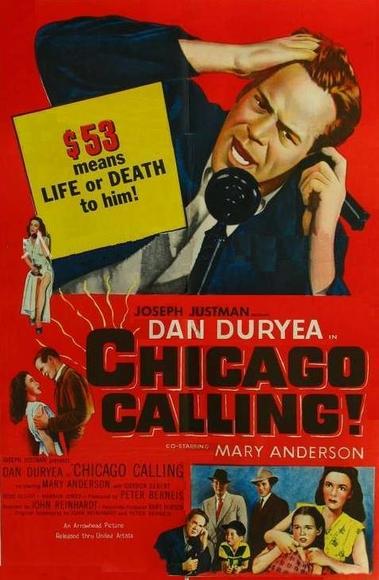
Bill Cannon (Dan Duryea) loses everything to alcohol: his job, his family, his self-respect. Soon after his wife and daughter leave him, he receives word his little girl has been injured in a car accident outside Chicago. His wife will call later with news, but Bill’s short the $53 he needs to keep his phone from being disconnected. Filled with anguish, he heads out onto the Los Angeles streets to find some way to come up with the cash. As his character encounters expected cruelty and unexpected kindness, Duryea takes what might have been mere melodrama and turns it into a perceptive examination of one shattered soul.
Read More »
Film-Noir
Outrage (1950) Ida Lupino, Mala Powers, Tod Andrews, Robert Clarke, Crime, Drama, Film-Noir
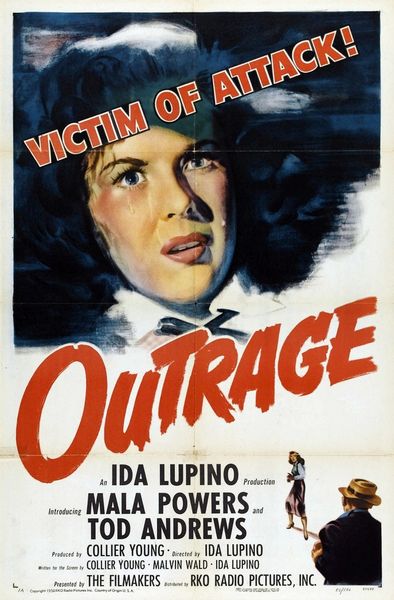
A young girl is raped while coming home from work. The trauma of the attack turns her away from her parents and her fiancé, and, unable to face society, she runs away and, using an assumed name, takes a job on an orange ranch. A young clergyman takes an interest in her, although she won’t confide in him. When a ranch hand tries to kiss her, she relives her terrifying experience and nearly kills him. She is arrested but when her identity is established and the facts of her case are brought forth, the clergyman convinces the court that it is society that should shoulder the blame. He helps rebuild her faith and send her back to her parents and fiancé.
Read More »
The Glass Key (1942) Stuart Heisler, Alan Ladd, Veronica Lake, Brian Donlevy, Crime, Drama, Film-Noir
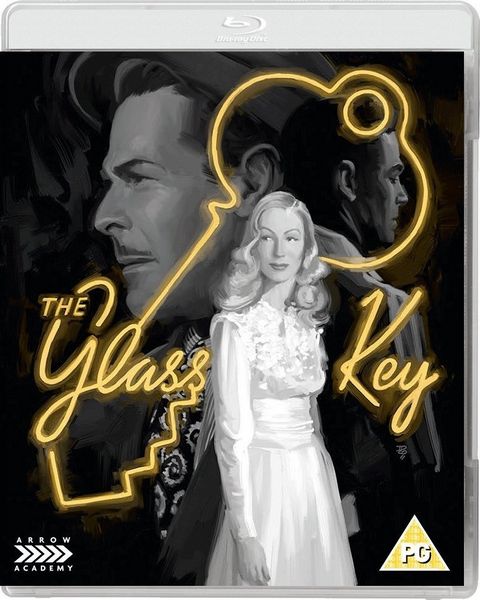
In this slick updating of Dashiell Hammet’s crime novel, political boss Paul Madvig (Brian Donlevy) falls for reform politician Ralph Henry’s attractive daughter Janet (Veronica Lake), despite the caution of his best friend, Ed Beaumont (Alan Ladd). Paul’s efforts to disassociate himself from the criminal underworld backfire, however, when he is accused of murdering Janet’s disreputable brother, and a casino owner Paul had offended sends his sadistic thugs after Ed in revenge.
Read More »
The Unfaithful (1947) Vincent Sherman, Ann Sheridan, Lew Ayres, Zachary Scott, Crime, Drama, Film-Noir

Chris Hunter kills an intruder and tells her husband and lawyer it was an act of self-defense. It’s later revealed that he was actually her lover and she had posed for an incriminating statue he created.
Read More »
In a Lonely Place (1950) Nicholas Ray, Humphrey Bogart, Gloria Grahame, Frank Lovejoy, Film-Noir, Mystery, Drama
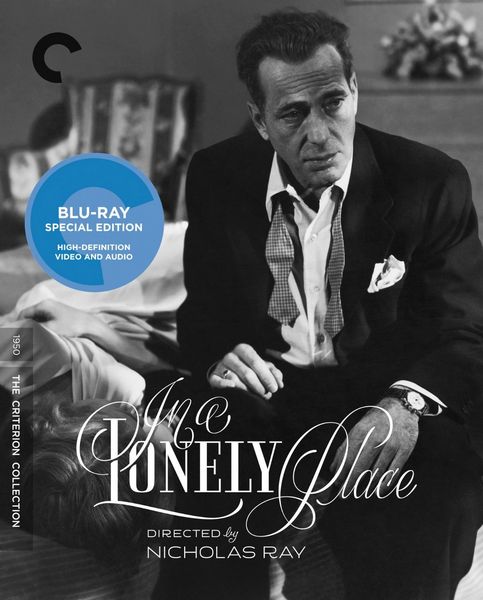
When a gifted but washed-up screenwriter with a hair-trigger temper – Humphrey Bogart, in a revelatory, vulnerable performance – becomes the prime suspect in a brutal Tinseltown murder, the only person who can supply an alibi for him is a seductive neighbor (Gloria Grahame) with her own troubled past. The emotionally charged In a Lonely Place, freely adapted from a Dorothy B. Hughes thriller, is a brilliant, turbulent mix of suspenseful noir and devastating melodrama, fueled by powerhouse performances. An uncompromising tale of two people desperate to love yet struggling with their demons and each other, this is one of the greatest films of the 1950s, and a benchmark in the career of the classic Hollywood auteur Nicholas Ray.
Read More »
The Long Memory (1953) Robert Hamer, John Mills, John McCallum, Elizabeth Sellars, Drama, Thriller, Film-Noir
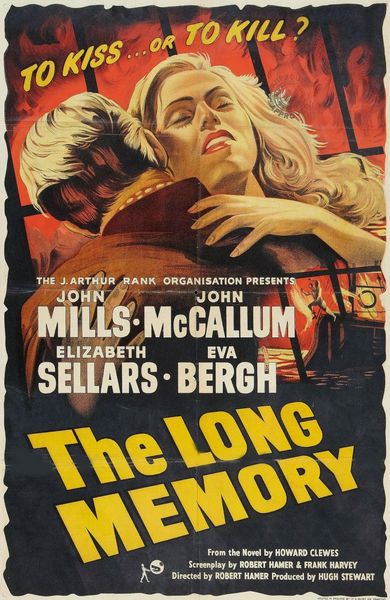
A man seeks revenge but will he destroy himself in the process? After a long jail term for a crime he did not commit, a man is torn between revenge (which will probably destroy him) or making a new life for himself.
Read More »
The Great Flamarion (1945) Anthony Mann, Erich von Stroheim, Mary Beth Hughes, Dan Duryea, Drama, Film-Noir, Mystery
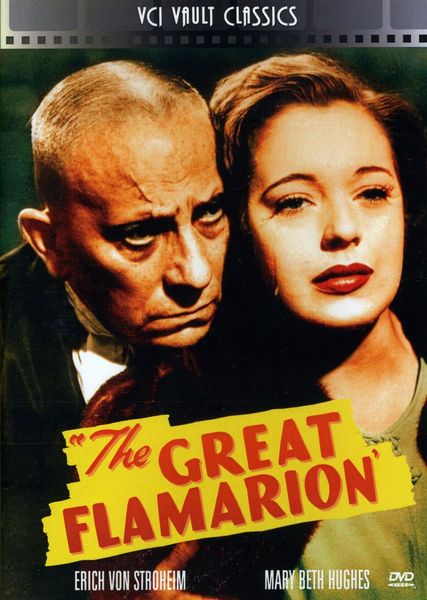
Flamarion, expert marksman, is entertaining people in a show which features Connie, beautiful woman and her husband Al. Flamarion and Connie fall in love and decide to get rid of the alcoholic husband.
Read More »
Pickup on South Street (1953) Samuel Fuller, Richard Widmark, Jean Peters, Thelma Ritter, Crime, Film-Noir, Thriller
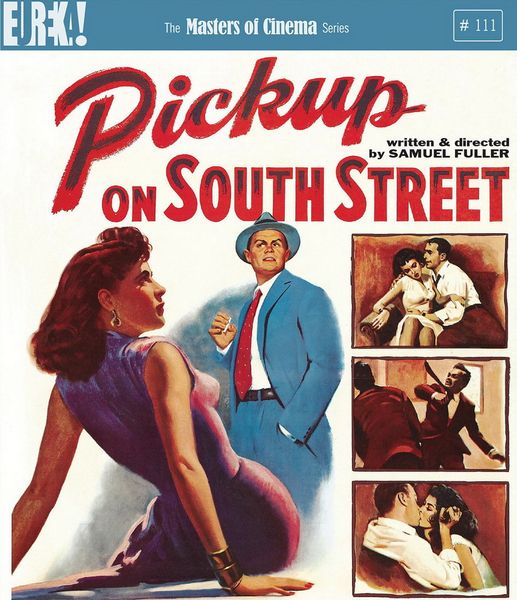
On a crowded subway, Skip McCoy picks the purse of Candy. Among his take, although he does not know it at the time, is a piece of top-secret microfilm that was being passed by Candy’s consort, a Communist agent. Candy discovers the whereabouts of the film through Moe Williams, a police informer. She attempts to seduce McCoy to recover the film. She fails to get back the film and falls in love with him. The desperate agent exterminates Moe and savagely beats Candy. McCoy, now goaded into action, confronts the agent in a particularly brutal fight in a subway.
Read More »
The Whistler (1944) William Castle, Richard Dix, Gloria Stuart, J. Carrol Naish, Film-Noir, Mystery, Thriller
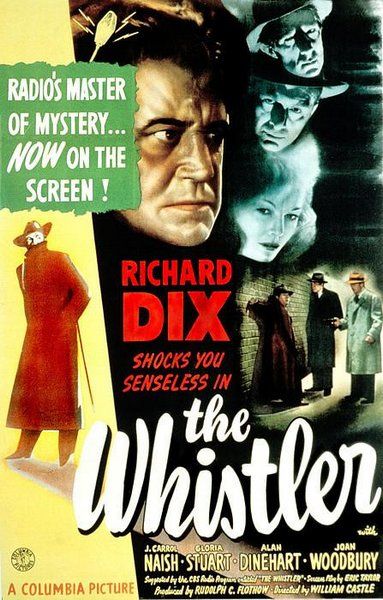
A man, despondent over the death of his wife, wants to commit suicide but can’t bring himself to do it. He hires a man to hire a professional killer to do the job. However, he soon finds out that his wife isn’t really dead – but the man he paid to hire the hitman is, and he has no idea who the man hired or how to get him to call off the hit.
Read More »
The Devil Thumbs a Ride (1947) Felix E. Feist, Lawrence Tierney, Ted North, Nan Leslie, Crime, Drama, Film-Noir, Thriller
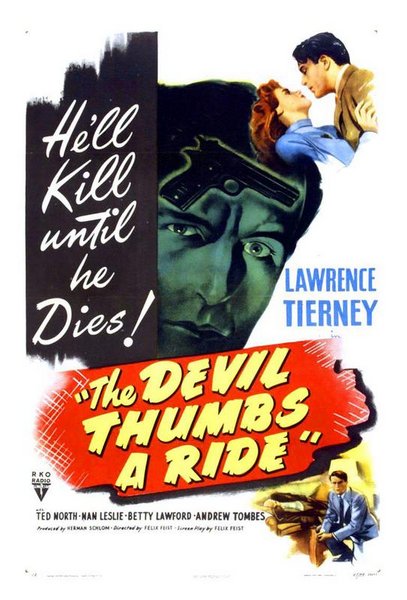
Not by any means a great film, The Devil Thumbs a Ride nonetheless has an indefinable audience allure that sucks the viewer into its labyrinthine storyline and doesn’t let go until the fade-out. Lawrence Tierney plays Steve Morgan, a charming but utterly sociopathic criminal who has just robbed and killed a movie theater cashier. Morgan hitches a ride with inebriated conventioneer Jimmy Furguson (Ted North). Later on, Furguson picks up two more hitchhikers: virginal Beulah Zorn (Nan Leslie) and good-time girl Agnes Smith (Betty Lawford). When circumstances lead Jimmy to believe that Steve is the fugitive whom the cops are looking for, Morgan sweet-talks his way into everyone’s confidence. Before he knows what’s happening, Jimmy is holed up in a beach house while Steve parties with Beulah and Agnes. Not even the most fervent of film noir fans will be able to predict the outcome of this one. Long ignored by movie buffs, The Devil Thumbs a Ride gained a large following through repeated TV showings in the 1960s and ’70s. It is now considered so representative of its genre that one film historian used the film’s title for a collection of his essays on B-melodramas.
Read More »